




































 Book A Free Site Survey
 Add Quote to Basket
 Instant Online Credit up to £30k*
 Product Manuals
 Create An Account
For HVAC consultants in 2026, specification is no longer just about performance, comfort, or cost. It is about designing systems that can withstand tightening legislation, satisfy ESG reporting, and actively contribute to a building’s long-term carbon reduction strategy.
In this landscape, heating and ventilation decisions are now strategic infrastructure choices. The shift is clear: compliance is evolving into mandatory decarbonisation.
The Compliance Landscape (2026): MEES / Part L
The UK regulatory environment continues to tighten around building performance, with two key drivers shaping HVAC specification:
- MEES (Minimum Energy Efficiency Standards) currently require a minimum EPC E for commercial lettings, with planned tightening to EPC C by 2027 and EPC B by 2030.
- Part L Building Regulations continue to raise the bar for energy efficiency in both new and existing commercial buildings, prioritising fabric-first design and low-carbon heating systems.
Gas-dependent HVAC systems therefore need to deliver higher efficiency and lower carbon performance in order to remain compliant with these evolving standards.
According to industry analysis, over 70% of UK commercial space is expected to fall below EPC B, meaning significant retrofit investment will be required across the built environment to meet 2030 targets.
The “Standard-Setter” Advantage: Why Specification Confidence Matters
One of the most overlooked risks in HVAC specification is future non-compliance. This is where technical leadership becomes critical.
Reznor holds a unique position through its active involvement in industry-defining committees and standards bodies, including:
- Technical representation at the British Standards Institution (BSI)
- Leadership within ICOM Air & Radiant Group, where Reznor chairs the Air & Radiant Group
- Senior technical direction within ELVHIS
- Active participation in FETA committees
This matters for consultants because it means specifications are aligned with organisations actively shaping future regulatory frameworks - not reacting to them.
In practice, it provides a layer of assurance that designs are already aligned with the direction of upcoming legislation.
Decarbonising “Big Air”: Gas-Free HVAC in Industrial Spaces
Industrial and logistics environments remain some of the hardest sectors to decarbonise due to large air volumes, high infiltration rates, and sustained heat demand.
In reality, the transition is not a single step away from gas - but a staged evolution across three performance layers:
1. Efficiency: Optimising Existing Gas Systems
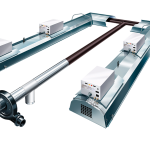
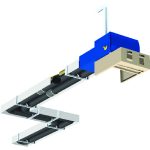
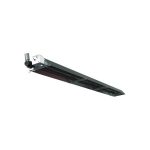
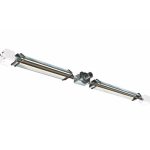
Before full electrification, many sites still rely on high-performance gas heating systems designed to maximise efficiency and reduce emissions.
Modern solutions such as:
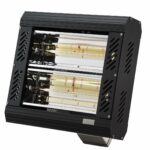
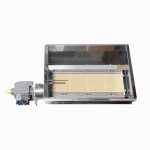
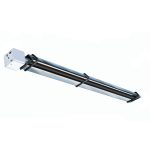
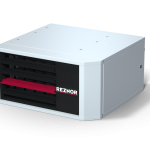
deliver improved combustion efficiency and Low NOx compliance, enabling immediate operational gains while existing gas infrastructure remains in place.
This stage is focused on reducing fuel waste, improving heat delivery, and extending system life while preparing assets for future transition.
2. Air Management: Fast EPC and Comfort Gains
A significant portion of industrial heating loss is driven not by generation—but by air movement and stratification.
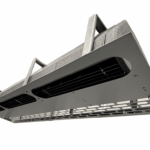
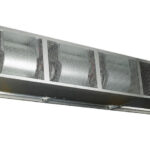
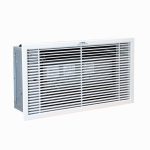
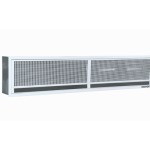
This is where air management technologies deliver some of the fastest and most cost-effective improvements:
These solutions work by:
- Reducing heat loss at building openings (loading bays, entrances)
- Redistributing trapped warm air back into the occupied zone
- Improving temperature consistency across large-volume spaces
By addressing heat loss rather than just heat generation, these systems can deliver rapid EPC improvements and measurable operational savings, particularly in retrofit environments.
3. Decarbonisation: Electrification Pathways
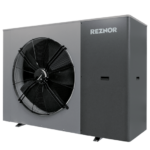
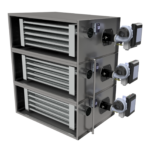
Alongside optimisation, the long-term transition is increasingly driven by electric-first technologies that support Net Zero alignment.
Key systems include:
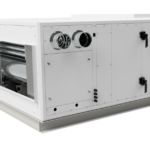
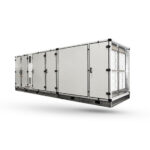
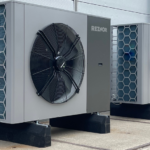
- Plus, alternative hybrid solutions such as electric AHU’s
These technologies enable a structural shift away from fossil fuels, improving EPC performance and reducing operational carbon over time.
When combined with electrified heating and intelligent controls, they form the backbone of next-generation industrial HVAC design.
The Outcome: A Layered Decarbonisation Strategy
Rather than a single technology replacement, modern industrial HVAC decarbonisation is achieved through a layered approach:
- Efficiency gains from upgraded gas systems
- Immediate EPC improvements through air management
- Long-term carbon reduction through electrification
Together, these pathways support a controlled transition from combustion-based heating to fully electrically driven thermal management systems - without compromising operational reliability or comfort.
The Embodied Carbon Factor: Materials, Packaging & ESG Reporting
Embodied carbon is now a critical part of ESG reporting, alongside operational emissions.
Reznor integrates sustainability into manufacturing and logistics through:
- Use of recyclable metal materials across product lines
- Closed-loop recycling practices in production
- Biodegradable and recyclable cardboard packaging
- Ongoing ESG tracking and reporting frameworks
These measures directly support consultants tasked with lifecycle carbon accounting and Scope 3 emissions reporting within client portfolios.
ROI: Gas vs Electric - The Long-Term Asset Equation
While gas systems may still present lower upfront costs, the financial and regulatory landscape is shifting rapidly.
- MEES compliance is tightening toward EPC C and EPC B thresholds by 2027–2030
- Buildings below these thresholds risk reduced lettability and asset devaluation
- EPC improvements are increasingly linked to rental value and investment attractiveness
Electric and heat pump systems typically offer:
- Lower long-term operational cost exposure
- Improved EPC performance
- Stronger alignment with ESG investment criteria
The result is a shift from CAPEX-led decision making to lifecycle value optimisation.
Accreditations & Compliance Confidence
Reznor products are supported by international compliance frameworks, including:
- UL recognition for North American safety standards
- CSA certification for Canadian electrical compliance
- CE marking for EU market compliance
- UKCA marking for UK regulatory compliance
Products also align with EcoDesign requirements and low NOx legislation across UK and European markets.
Corporate Responsibility: Engineering for Net Zero 2050
Net Zero targets continue to shape HVAC innovation priorities:
- Integration of heat pump and electric heating systems
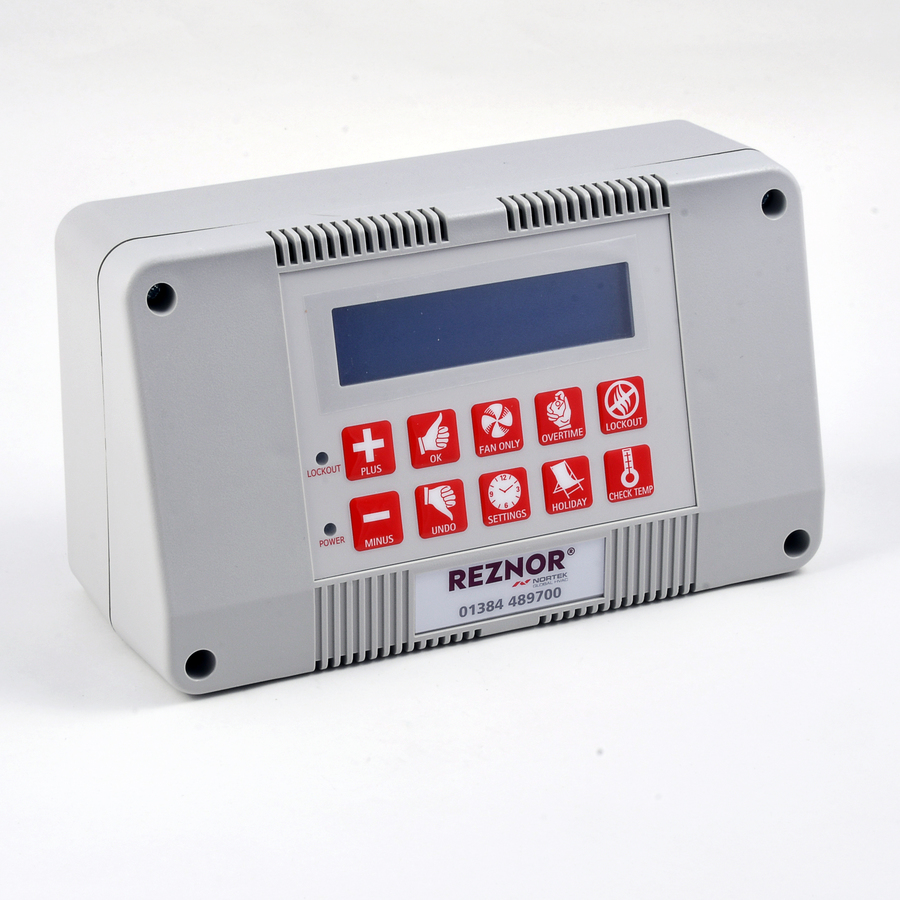
- Advanced controls for energy optimisation
- Lifecycle carbon tracking strategies
- Retrofit-first design approaches for existing buildings
MEES regulations are central to this transition, with commercial buildings required to move toward EPC C and EPC B thresholds this decade.
Retrofit HVAC upgrades remain one of the fastest routes to EPC improvement and carbon reduction.
The 360° Design Partnership: From Specification to Tender
Consultants face increasing pressure to deliver compliant, future-ready designs under tightening timelines.
To support this, Reznor offers a complimentary Quote & Design Service, helping consultants:
- Validate system design early
- Align with MEES and Part L requirements
- Improve EPC performance outcomes
- Strengthen tender submissions with engineered solutions
Outlook: HVAC as Carbon Infrastructure
HVAC is no longer simply a building service - it is part of national carbon infrastructure.
With MEES tightening toward EPC B requirements by 2030, consultants are now designing systems that determine not just comfort and efficiency, but long-term asset viability.
The opportunity is clear: HVAC specification is now a lever for compliance, carbon reduction, and commercial value creation.
Request a bespoke quote and design with our experts today.
Please note: all information on net zero guidelines and other stats are correct as of May 2026.
